
How Often Should Each Room in Your Home Actually Be Cleaned?

You fluff the pillows, wipe the bathroom mirror, and straighten the blankets. The house looks clean until sunlight catches the dust on the shelves or you spot fingerprints on the light switches.
That’s the problem with cleaning by instinct. Some areas get more attention than they need, while others are easy to miss. Knowing how often each room should be cleaned helps you stay on top of your home without spending more time doing it. This room-by-room guide breaks down the ideal cleaning schedule, so you can clean with confidence instead of guesswork.
What Determines How Often You Should Clean
No two homes need the same cleaning schedule. How often you clean depends on a few key factors:
- Household size and foot traffic: The more people coming and going, the faster dirt and clutter build up. Entryways, living areas, and other shared spaces usually need the most frequent attention.
- Pets and children: Fur, muddy paws, spills, crumbs, and sticky fingerprints can quickly make a home feel untidy. Homes with pets or young children often need more frequent vacuuming and surface cleaning.
- Allergies: If someone in your home is sensitive to dust or pet dander, regular dusting and vacuuming are essential for maintaining a cleaner, more comfortable space.
It also helps to understand the difference between tidying, cleaning, and deep cleaning. Tidying means putting things back where they belong. Cleaning removes dirt, grease, and germs from everyday surfaces. Deep cleaning tackles the areas that are easy to overlook, such as grout, vents, baseboards, and behind large appliances.
Some rooms naturally need more attention than others. Kitchens and bathrooms collect moisture, grease, and germs every day, so they typically require more frequent cleaning than the rest of the home.
The Kitchen: The Room That Needs the Most Attention
The kitchen works harder than any other room in your home. Between cooking, eating, and daily traffic, it’s where grease, crumbs, spills, and moisture build up the fastest. A consistent routine helps prevent small messes from turning into stubborn grime.
Every day:
- Wipe down countertops, the sink, and the stovetop after cooking.
- Wash dishes or load the dishwasher before bed.
- Sweep or spot-clean crumbs from the floor.
Once a week:
- Clean appliance fronts.
- Wipe cabinet handles and other high-touch surfaces.
- Mop the floor.
Once a month:
- Empty and wipe down the refrigerator.
- Clean the inside of the oven.
- Wipe cabinet fronts to remove grease and cooking residue.
For sinks and cooktops, a gentle cleaner like Bon Ami removes buildup without scratching the surface. It’s one of the trusted products Vella’s professional cleaners use to deliver a thorough clean while helping protect your home’s finishes.
Bathrooms: Keep Moisture and Buildup Under Control
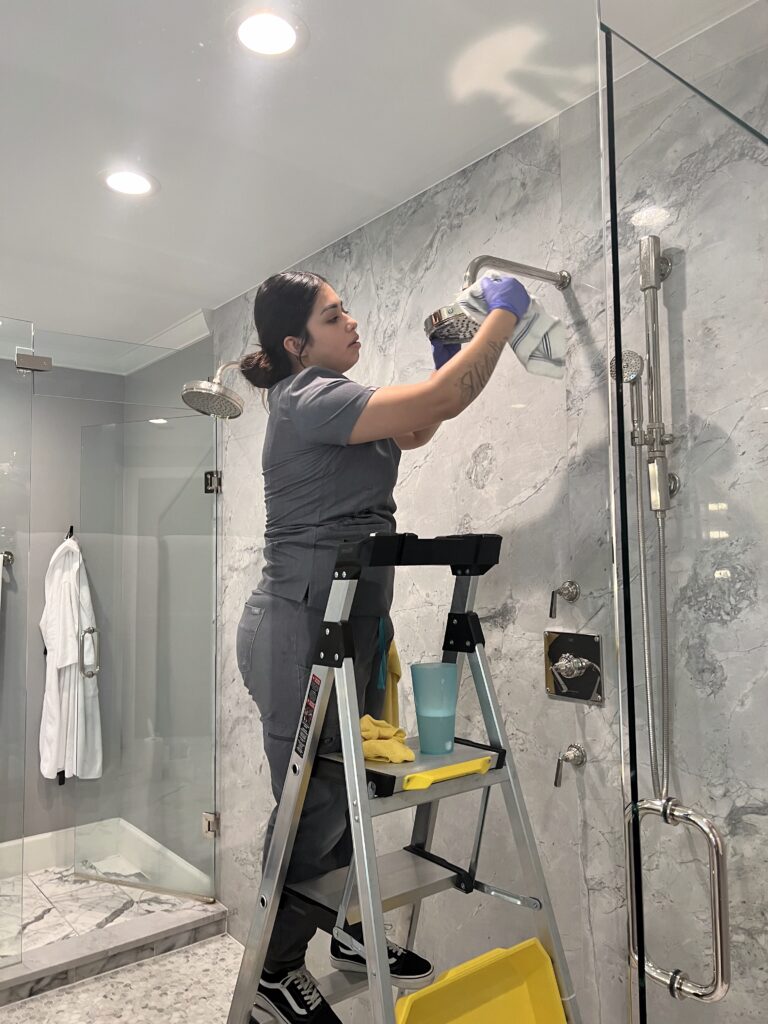
Bathrooms need frequent cleaning because moisture creates the perfect environment for soap scum, mildew, and everyday buildup. A few simple habits can make weekly cleaning much easier.
Every day:
- Wipe down the sink after use.
- Squeegee shower glass or walls.
- Hang towels so they can dry completely.
These quick tasks take only a few minutes but help prevent grime from building up.
Once a week:
- Clean the toilet inside and out.
- Scrub the shower, tub, and sink.
- Wipe the mirror.
- Mop the floor.
Once a month:
- Clean grout and tile.
- Freshen drains.
- Tackle any hard-to-reach corners where buildup tends to collect.
If keeping up with bathroom cleaning starts to feel overwhelming, professional cleaners can take care of the deeper cleaning while you stay on top of the everyday tasks.
Bedrooms and Living Spaces: Focus on the Essentials

Bedrooms and living rooms don’t collect grease and moisture like kitchens or bathrooms, but regular cleaning still helps keep them fresh, comfortable, and free of dust.
Once a week:
- Dust furniture and shelves.
- Vacuum floors and rugs.
- Change bed linens.
Fresh sheets each week help create a cleaner, more comfortable place to sleep. It’s also a good idea to wash pillows every few months and rotate or air out your mattress a few times each year.
Pay extra attention to the surfaces you touch every day, including:
- Light switches and door handles.
- TV remotes.
- Coffee tables and side tables.
- High-traffic areas around sofas and entryways.
Every few months:
- Wipe baseboards.
- Dust air vents.
- Clean interior windows.
- Reach the corners and edges that aren’t part of your weekly routine.
Keeping up with these seasonal tasks helps prevent dust from quietly building up over time.
A Simple Room-by-Room Cleaning Schedule
Use this schedule as a general guide. You can always adjust it based on your household and lifestyle.
| Frequency | Tasks |
| Daily | Wipe kitchen counters, sink, and stovetop; wipe the bathroom sink and shower; tidy shared spaces. |
| Weekly | Dust, vacuum, mop floors, clean toilets and showers, change bed linens, wipe appliance fronts. |
| Monthly | Clean the refrigerator, oven, grout, tile, drains, and cabinet fronts. |
| Every 3–4 Months | Clean baseboards, air vents, windows, and wash pillows. |
| A Few Times a Year | Rotate or air out mattresses and clean behind large appliances. |
Every home is different. A busy household with children or pets will likely need more frequent cleaning than a smaller household. The best routine is one you can realistically stick to, so build a schedule that fits your daily life.
Frequently Asked Questions
How often should you clean your house?
Most homes benefit from a mix of daily, weekly, monthly, and seasonal cleaning. Kitchens and bathrooms typically need the most frequent attention, while bedrooms and living areas can usually be cleaned weekly with occasional deep cleaning.
How often should you deep clean your home?
A deep clean every three to six months helps tackle areas that aren’t part of your regular routine, such as grout, baseboards, air vents, and behind large appliances.
How often should you vacuum?
Vacuuming once a week is enough for many homes. If you have pets, children, or high foot traffic, vacuuming several times a week will help keep dirt, dust, and pet hair under control.
Is a recurring cleaning service worth it?
Recurring cleaning helps prevent dirt from building up and keeps your home consistently clean without spending every weekend catching up on chores.
How can I book a cleaning with Vella?
Booking with Vella is simple. Choose the cleaning service that fits your needs and reserve your appointment through Vella’s online booking platform in just a few clicks—no consultation required.
When Is Time to Bring in Professional Cleaners
Sometimes life gets busy, and keeping up with your cleaning routine becomes difficult. If chores are taking over your weekends or certain rooms never seem to stay clean, it may be time to bring in some extra help.
Professional cleaners are especially helpful for:
- Deep cleaning beyond your regular routine.
- Move-in and move-out cleaning.
- Busy seasons when you don’t have time to keep up with household chores.
- Recurring cleaning that keeps your home consistently fresh.
Vella’s professional cleaners follow a detailed cleaning checklist and use trusted products to deliver thorough, high-quality results while treating your home with care.
Booking is simple. Instead of scheduling a consultation, you can choose the cleaning service that fits your needs and book online through Vella’s booking platform in just a few minutes.
Keeping your home clean doesn’t mean doing everything every day. A simple routine helps you stay ahead of messes, spend less time cleaning, and enjoy a home that always feels fresh. When you need an extra hand, Vella’s professional cleaners are ready to help with reliable, high-quality service.
Ready for a cleaner home? Book your cleaning online with Vella today.
Why Your Home Still Feels Dirty After Cleaning: 7 Common Things People Miss
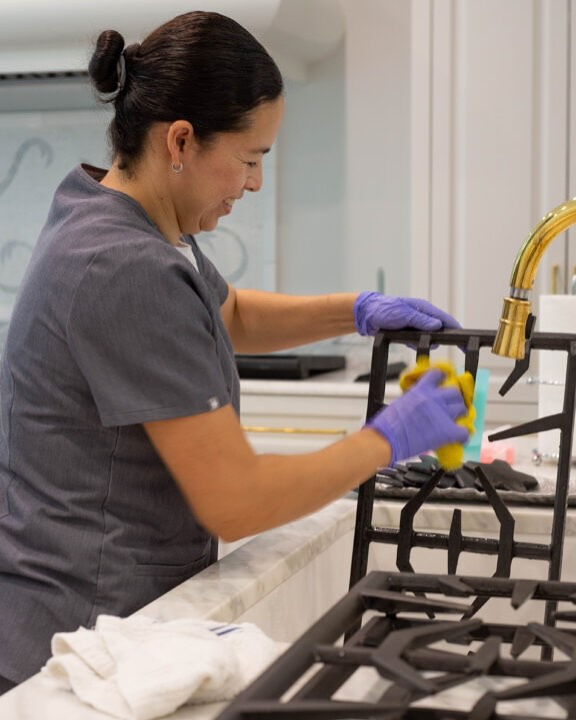
You just spent your whole Saturday cleaning, and the house still does not feel right. The counters are wiped, the floors are vacuumed, but something about the space still feels off. This happens more often than people think, and it usually comes down to a handful of spots that get skipped in a typical cleaning routine.
Here are seven of the most commonly missed areas while cleaning and what to do about them.
1. Baseboards and Door Frames
Baseboards collect dust, pet hair, and grime along the floor line, but they are easy to walk right past. Because they sit at eye level with very little else around them, any buildup stands out the moment someone notices it. A damp microfiber cloth run along the baseboards once every week or two keeps them from becoming visibly dingy.
2. Light Switches and Doorknobs
These are some of the most frequently touched surfaces in any home, yet they rarely make it onto a cleaning checklist. Oils from hands build up over time, leaving a dull film around switches and handles. A quick wipe with a disinfecting cloth during your regular cleaning keeps these spots from feeling grimy.
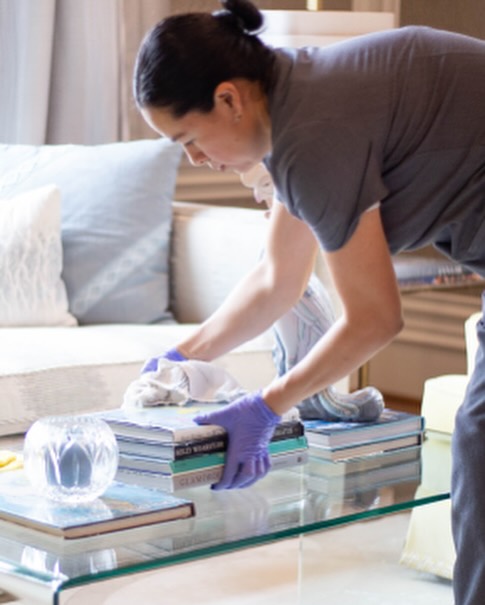
3. Ceiling Fans and Air Vents
Dust settles on ceiling fan blades and air vent covers, and every time the fan or the HVAC system runs, some of that dust circulates back into the room. This is one of the biggest reasons a home can look clean but still feel dusty or stuffy. Wiping fan blades and vent covers should be part of any deep cleaning routine.
4. Behind and Underneath Furniture
Sofas, beds, and dressers block access to the floor beneath them, which means dust and debris pile up out of sight. Pulling furniture out even once a season to vacuum underneath makes a noticeable difference in air quality and overall cleanliness.
5. Grout Lines and Shower Tracks
Bathroom grout and the tracks along sliding shower doors trap soap scum, mildew, and moisture. Because they are textured and tucked into corners, a standard wipe-down rarely reaches them. This is one of the areas our bathroom deep-clean service focuses on, since grout buildup is one of the fastest ways a bathroom can start to look and smell less than fresh.
6. Inside Appliances
The outside of the microwave or refrigerator might sparkle, but splatters and spills build up inside the microwave, on the refrigerator door seals, and around the stove burners. These spots are easy to overlook during a quick daily wipe-down, but make a real difference in how clean a kitchen actually feels.
7. Carpets, Rugs, and Upholstery
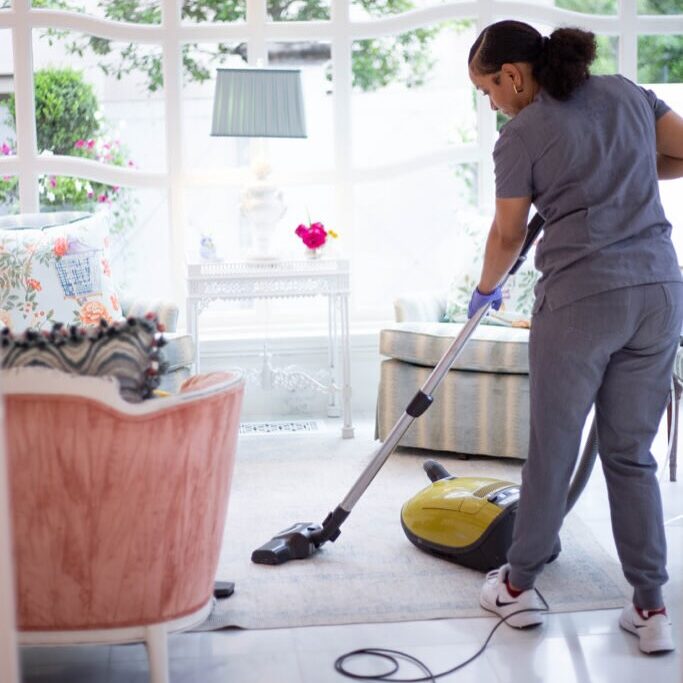
Vacuuming the surface of a carpet only removes the top layer of dust and debris. Dust, allergens, and pet dander settle deep into carpet fibers and upholstery over time, which is part of why a home can smell stale even after a thorough vacuuming. A periodic deep clean with the right equipment reaches what a household vacuum misses.
Homeowners across Dallas, Fort Worth, and Austin run into these same missed spots regardless of how often they clean, mostly because these areas require a different level of attention than a standard weekly tidy-up. That is exactly the gap that professional cleaning services are built to close.
Why a Deep Clean Makes the Difference
A regular cleaning routine keeps the surface of your home looking presentable, but the areas above need periodic, more detailed attention to actually stay clean. That is where residential cleaning services come in. A trained cleaning team knows to check baseboards, vents, and grout lines every time, not just when they become noticeable.
If your home always seems to need “one more pass” no matter how much you clean, it might be time to bring in a service built around those overlooked details. Vella’s teams handle everything from living areas to bedrooms, with the detailed attention a quick tidy-up cannot always match.
FAQs
Why does my house still feel dirty even after I clean it?
It usually comes down to overlooked spots like baseboards, vents, and grout lines that a standard cleaning routine tends to skip.
How often should carpets and upholstery be deep cleaned?
Most homes benefit from a deeper carpet and upholstery clean every few months, especially in households with pets or heavy foot traffic.
What is included in a professional deep clean?
A deep clean typically covers baseboards, vents, grout, appliance interiors, and other detailed spots that regular cleaning does not always reach.
Is it worth hiring a house cleaning service if I already clean regularly?
Yes, especially for the areas that need periodic deep attention. A professional service catches the details a quick routine tends to miss.
Ready for a Home That Actually Feels Clean?
A truly clean home is about more than wiped counters and vacuumed floors. It is about the details that get overlooked week after week. When your routine is not cutting it, Vella’s residential cleaning services are built to catch what gets missed.
Book your cleaning with Vella today and feel the difference for yourself.