
Pet Friendly Cleaning Service: A Pet Owner’s Guide to a Fresher Home
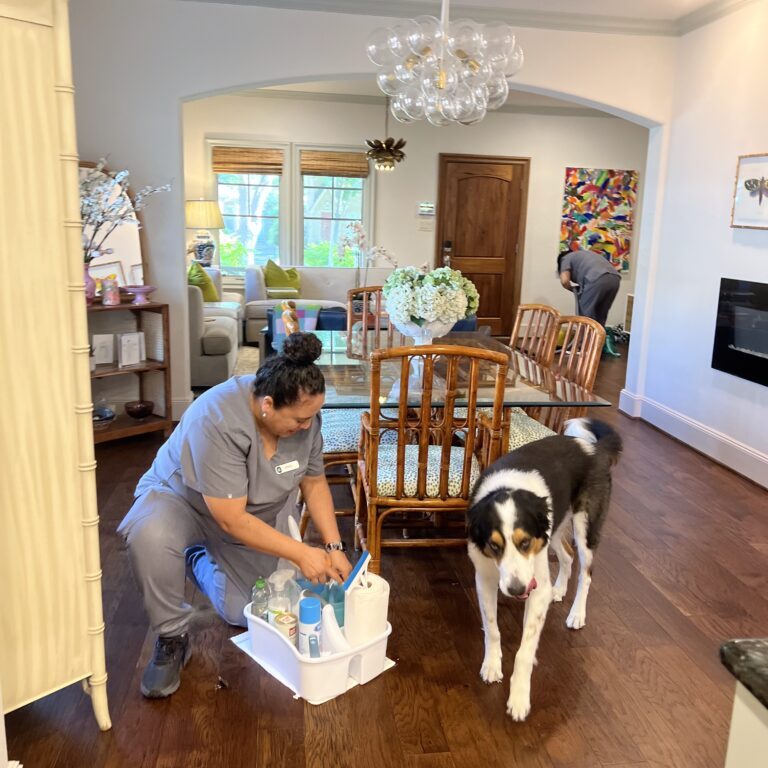
Sharing your home with a dog or cat means daily companionship, and it also means a steady supply of fur on the couch, dander in the air, and paw prints across the floor. No matter how often you tidy up, pet hair has a way of settling into cushions, rugs, and baseboards. Left alone, it builds up fast and can aggravate allergies for everyone in the household.
The good news is that staying ahead of the mess is easier than it looks. With a few reliable habits, the right tools, and help from a pet-friendly cleaning service when you need it, you can keep your space fresh without giving up the pet you love.
This blog covers the best ways to remove pet hair from furniture and floors, the habits that keep shedding under control, and what actually makes a cleaning service safe for your animals.
Why Pet Hair and Dander Take Over Your Home
Understanding why fur clings to everything is the first step to controlling it. Static electricity is a big factor. When fabric rubs against your pet’s coat, it builds a charge that makes hair stick to upholstery, curtains, and clothing. Material matters too. Velvet, wool, and synthetic fibers like polyester hold onto hair, while leather and microfiber release it far more easily.
Your pet’s breed plays a role as well. Double-coated dogs such as Golden Retrievers, Huskies, and German Shepherds shed heavily, especially during seasonal coat changes. Breeds with hair-like coats that grow continuously, including Poodles, Maltese, and Yorkshire Terriers, shed much less. Cats shed year-round too, and the dander they leave behind is a common allergy trigger.
Knowing how your pet sheds helps you decide how often your home really needs cleaning. For more on the science of shedding, our blog on how to free your home of pet hair goes deeper.
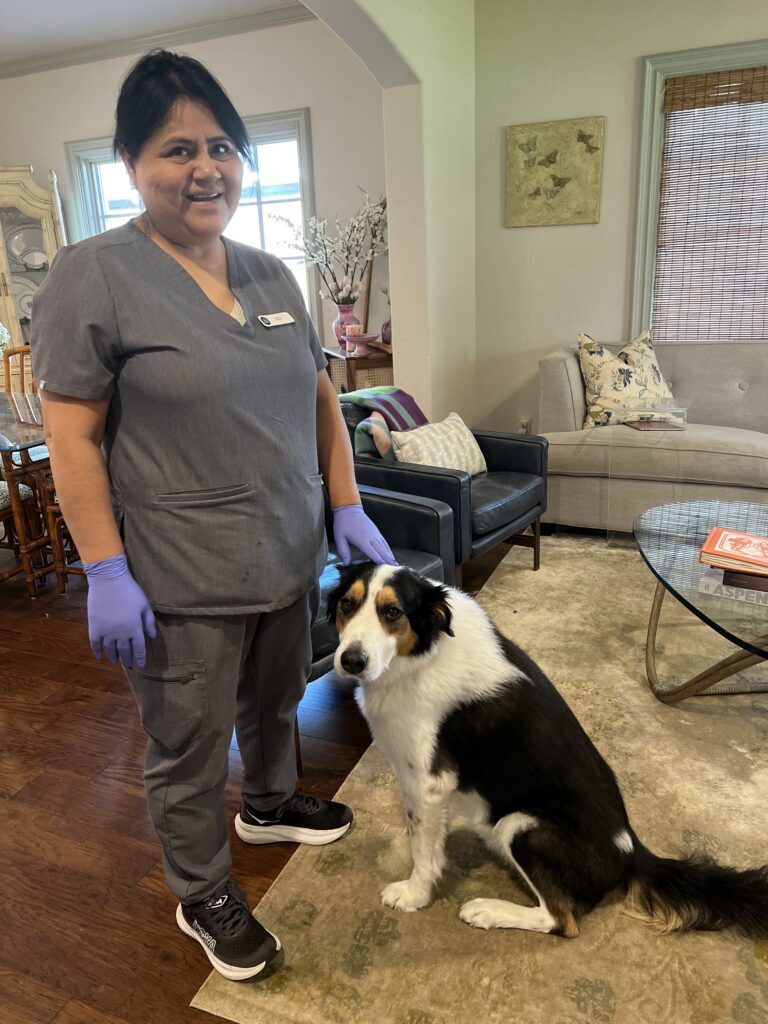
The Best Way to Remove Dog Hair From a Couch and Furniture
Furniture is where fur shows up first, and a few simple tools handle most of it.
- Reusable pet roller or lint roller. A sticky lint roller, or a reusable roller like a ChomChom, lifts loose hair from sofas, chairs, and cushions in seconds. Keep one near the couch for quick daily passes.
- Damp rubber gloves. Lightly dampen a rubber glove and run your hand over the fabric. The moisture gathers hair into clumps you can pick up, which works especially well on fabric sofas and chairs.
- Vacuum with a pet attachment. A vacuum fitted with a pet hair attachment and a HEPA filter pulls fur out of seams and traps the allergens that cause sneezing. Run it over cushions and along the base of the furniture.
- Anti-static spray. A light mist of anti-static spray, or a homemade mix of water and a little fabric softener, cuts the static charge that makes hair cling in the first place.
If your cushion covers are removable, washing them regularly keeps fur from settling deep into the fabric. Our walkthrough on how to wash couch cushion covers covers it step by step.
How to Clean Pet Hair Off Floors and Carpets
Hard floors and carpets each call for a slightly different approach, and switching tools makes a noticeable difference.
- Vacuum in one direction. On carpet, vacuum slowly and change direction as you go. Cross-passing lets the brush lift fur that has worked its way deep into the fibers.
- Rubber broom. A rubber broom gathers hair into easy piles on tile, hardwood, and low-pile carpet, and it reaches corners and edges a vacuum often misses.
- Carpet rake. A carpet rake pulls embedded hair up to the surface so your vacuum can finish the job in one pass.
- Use baking soda. Sprinkling baking soda before you vacuum helps loosen trapped hair and absorbs lingering odors at the same time. Let it sit a few minutes, then vacuum thoroughly.
Mopping technique matters on hard floors too, since the wrong method just pushes fur around. A few of the slip-ups in our list of common mopping mistakes to avoid are worth a quick read.
How to Keep Your House Clean With Pets
Prevention saves you the most time and effort. Brush your pet regularly with a de-shedding tool suited to their coat, ideally outdoors, so loose hair never reaches the floor. When you have the choice, lean toward pet-friendly fabrics like leather or microfiber, and use washable slipcovers on the spots your pet loves most.
A steady routine keeps everything manageable. Quick daily passes with a roller or broom, a weekly vacuum, and a deeper clean every so often stop fur from piling up into a bigger job.
Many pet owners find that recurring help from a trained team is the simplest way to stay on top of it in a busy household, which is exactly what our residential cleaning services are built for.
What Makes a Cleaning Service Pet Friendly
Not every cleaning company is set up for homes with animals. A genuinely pet-friendly cleaning service uses non-toxic, pet-safe products that won’t irritate paws, skin, or sensitive noses, and trains its team to work calmly around nervous or curious pets.
Vella checks both boxes. Every clean uses non-toxic products that are safe for your family and your animals, and you can read more about the pet-safe cleaning products we rely on. For households that need extra attention, a deep clean reaches the embedded hair, dander, and allergens that regular tidying leaves behind.
We bring this same standard to pet owners across the Dallas and Fort Worth area and beyond. Whether you live in Austin, Fort Worth, Plano, Frisco, or Highland Park, the pet-safe approach stays exactly the same wherever you are in our service areas.
Frequently Asked Questions
What is the best way to remove dog hair from a couch?
A reusable pet roller or damp rubber gloves work fastest, followed by a vacuum with a pet attachment to clear the seams.
Are Vella’s cleaning products safe for pets?
Yes. Vella uses non-toxic products on every clean, so they are safe to use around dogs, cats, and your family.
How often should pet owners deep-clean their homes?
Most pet households do well with a deep clean every few months, plus regular cleaning in between to control hair and dander.
Can a cleaning service remove pet hair from carpets?
Yes. Professional teams use specialized equipment to lift embedded fur and allergens that home vacuums often leave behind.
Does pet hair really affect allergies?
It can. Pet dander attached to hair is a common allergy trigger, so frequent removal helps keep indoor air cleaner.
Why Choose Vella for Pet-Friendly Cleaning
Living with pets should be about the good parts, not constant cleanup. Vella has helped homeowners keep comfortable, fresh homes since 2009, using pet-safe products and trained, insured teams that treat your space and your animals with care.
From a one-time refresh to a recurring schedule, we handle the fur so you can enjoy your pet. Book your pet-friendly clean today and come home to a space that feels clean for everyone in it.
How Much Does House Cleaning Cost? A Transparent Breakdown
A clean home makes everything feel easier, but before you hire help, you probably want to know what it costs. House cleaning prices can feel confusing because every company quotes differently, and the final number depends on more than just the size of your home. Some charge by the hour, others by the room or the square foot, and rates shift depending on how often you book.
At Vella, we keep our pricing simple and predictable, so you always know what you are paying for and why.
This blog breaks down what affects your house cleaning cost, what our hourly rates look like, how basic and deep cleaning compare, and a few easy ways to get more value from every visit.
What Affects the Cost of House Cleaning
Several factors shape your final price, and understanding them helps you compare quotes fairly.
- Home size. Larger homes require more time and materials, so square footage is one of the biggest drivers of total cost. A studio apartment and a five-bedroom house are never going to land at the same price.
- Type of cleaning. A routine tidy costs less than a detailed deep clean or a move-out clean, both of which involve more tasks and more labor.
- Frequency. One-time visits usually carry the highest hourly rate. Booking on a recurring schedule brings that rate down.
- Condition of the home. A space that has not been cleaned in a while needs extra attention, which can raise the price of the first appointment.
- Add-ons. Special requests, such as interior cabinets, the inside of the oven, or changing linens, may fall outside a standard clean.
Because of these variables, the most honest way to price a clean is by the time and effort it actually takes. If you are weighing your options, our comparison of a housekeeper and a maid explains what each service typically includes.
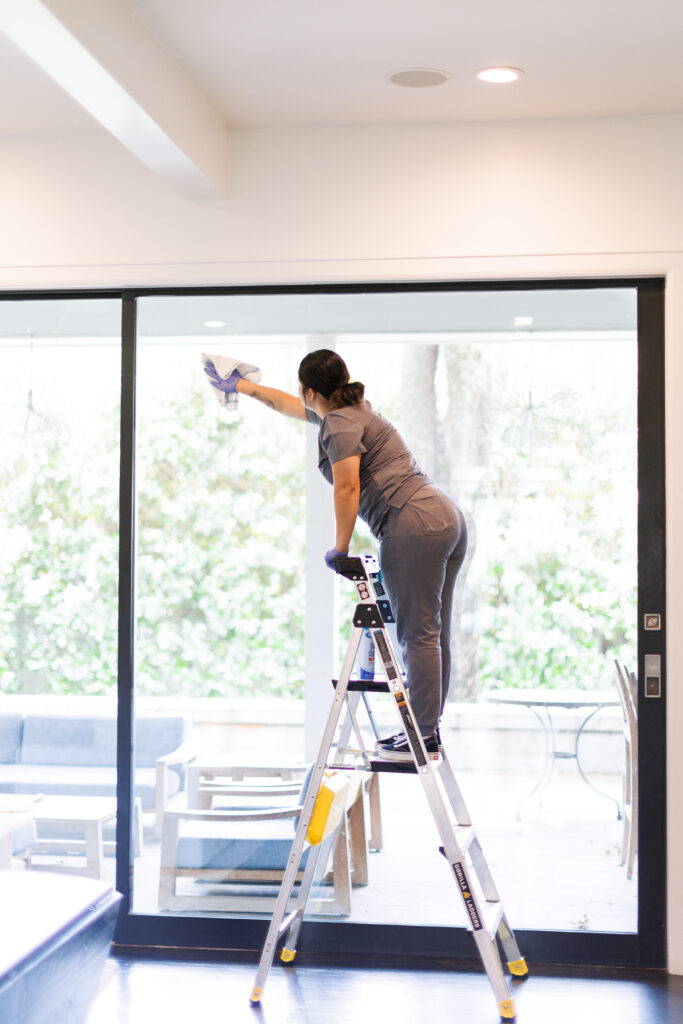
Vella’s House Cleaning Rates
We charge consistent hourly rates based on how often we clean your home. The more regularly we visit, the lower your hourly rate, because a maintained home simply takes less time to clean.
- One-time cleaning: $118 per hour
- Every four weeks: $112 per hour
- Biweekly cleaning: $106 per hour
- Weekly cleaning: $99 per hour
Every clean is handled by a team of two trained housekeepers, which means the work gets done faster and more thoroughly than a single cleaner could manage. You can see exactly what a standard visit includes on our basic cleaning.
As we price by the hour, your total cost scales naturally with your home’s size and condition. A small apartment takes fewer hours than a large house, so you only pay for the time your space actually needs. That is also why we do not quote a flat price per square foot. Two homes of the same size can need very different amounts of work depending on clutter, pets, and how recently they were cleaned.
Basic Cleaning vs Deep Cleaning Cost
Knowing the difference between these two services helps you pick the right one and avoid paying for more than you need.
A basic clean covers the everyday tasks that keep a home fresh: dusting furniture, wiping cabinet exteriors, vacuuming and mopping floors, making beds, cleaning kitchen counters and appliances, washing dishes, and sanitizing bathrooms. It is the right fit for ongoing upkeep.
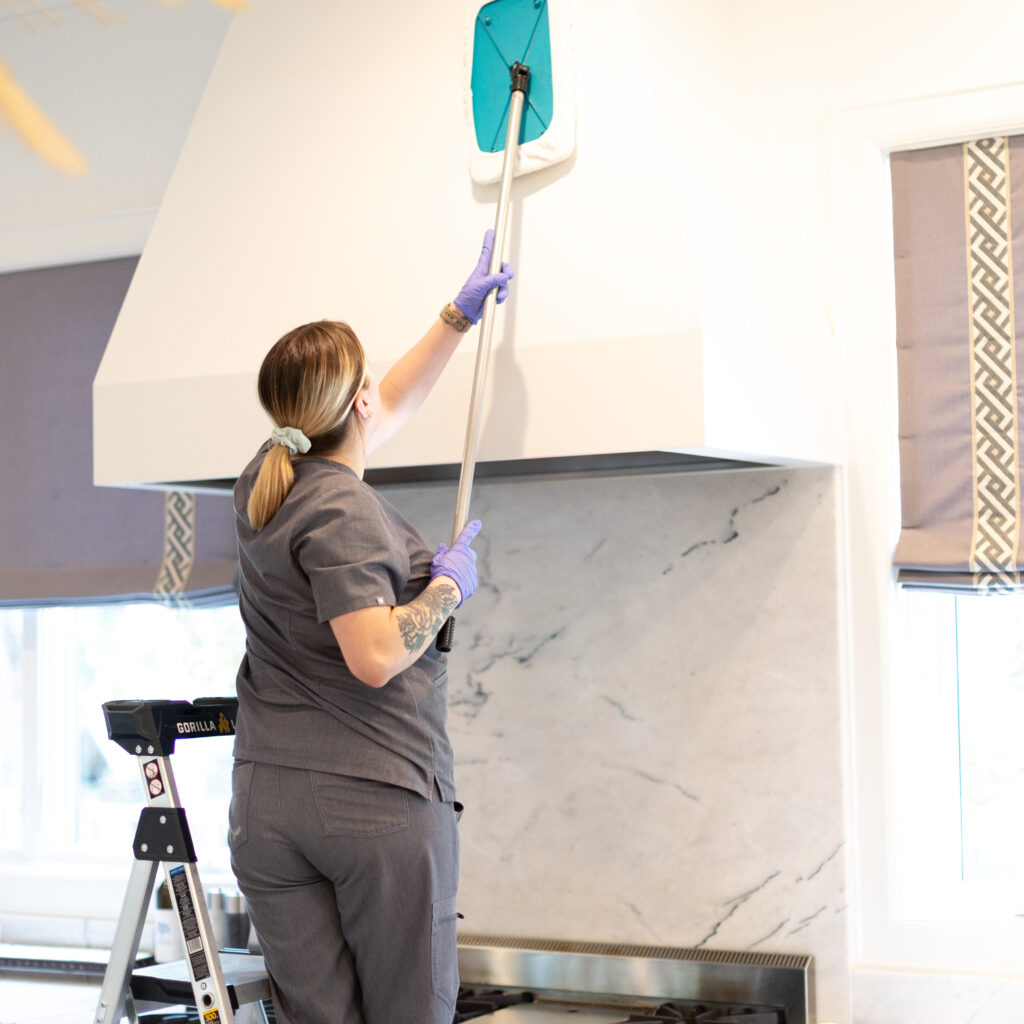
A deep clean includes everything in a basic clean plus detailed work that does not happen every week. That means cleaning vents, vacuuming upholstery, scrubbing grout, dusting ceiling fans and light fixtures, hand-cleaning baseboards and floor edges, and wiping down the range hood inside and out. Because a deep clean takes more time, it costs more than a basic visit. It is the smart choice for a first appointment or a seasonal reset, since it brings your home to a baseline that regular cleaning can then maintain.
Move-Out and Apartment Cleaning Cost
Cleaning after a move is one of the most demanding jobs, and it usually arrives when you are already stretched thin. A move-out clean focuses on getting a property into top condition after the furniture is gone, including the appliances and hard-to-reach details that are easiest to handle once a space is empty. It tends to cost more than a routine clean because of the depth involved.
Apartment cleaning generally costs less than a house simply because there is less square footage to cover, which means fewer hours on the clock. The same hourly logic applies, so a smaller space keeps your total lower without cutting any corners on quality. If you are timing a move-out clean around a lease deadline, booking early gives your team enough room to do the job right rather than rushing through the appliances and corners landlords tend to inspect most closely.
How to Get the Most Value From Your Cleaning Service
You have more control over your house-cleaning costs than you might think.
- Book on a schedule. A recurring weekly or biweekly clean lowers your hourly rate and keeps your home from ever needing an intensive reset.
- Declutter first. Clearing surfaces and floors lets the team spend their time cleaning rather than tidying, making every hour count.
- Bundle big tasks. Grouping seasonal jobs into a single deep clean is usually more efficient than spreading them over several visits.
- Share your priorities. Telling your team what matters most helps them focus on the hours where you want them.
These small steps stretch every dollar while keeping your home consistently clean. Over time, a maintained home rarely needs the kind of intensive deep clean a neglected one does, so a steady schedule often costs less in the long run than a string of one-time visits.
If you are cleaning ahead of guests or want to gift a service, our gift cards are an easy option too.

Frequently Asked Questions
How much does house cleaning cost per hour at Vella?
Rates run from $99 per hour for weekly service to $118 per hour for a one-time clean, based on how often you book.
Is a deep clean more expensive than a basic clean?
Yes. A deep clean involves more tasks and more time, so it costs more than a standard basic clean.
Does house size affect the price?
Yes. Since Vella prices by the hour, larger homes take longer to clean and cost more than smaller spaces.
How can I lower my house cleaning costs?
Book on a recurring schedule and declutter before each visit. Regular cleanings carry a lower hourly rate.
Are cleaning supplies included in the price?
Yes. Vella brings its own non-toxic products and equipment for every clean.
Transparent Cleaning Across Dallas, Austin, and Beyond
Vella has been making homes sparkle since 2009, and we believe good cleaning should come with clear pricing and no surprises. Our trained teams are bonded and insured, and we use non-toxic products that keep your family safe.
We serve homes across the Dallas-Fort Worth metroplex and Austin, including Plano, Highland Park, and Fort Worth. Ready for a cleaner home at a price you can plan for?
Contact Vella today or book your cleaning online.