
How Clean Is Your Kitchen Countertop, Really? The Truth About Surface Bacteria at Home
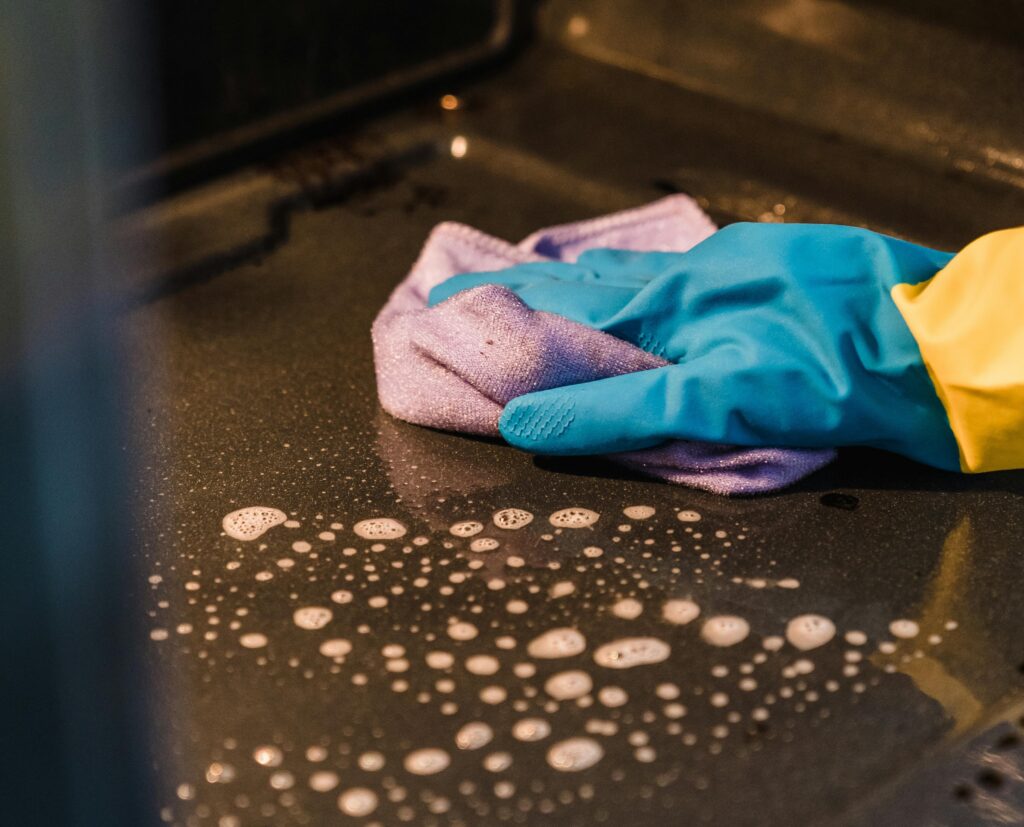
You wipe the kitchen counter after dinner, rinse the sponge, and call it a day. Your kitchen countertop may look spotless, but is it really clean? From grocery bags and coffee spills to food prep and everyday clutter, countertops collect more than meets the eye.
A quick wipe after dinner doesn’t always leave your kitchen as clean as you think. Discover what lingers on your countertops, the areas most people overlook, and simple ways to keep your kitchen cleaner every day.
What Ends Up on Your Kitchen Counter Every Day?
Your countertop does much more than hold plates and cutting boards. Throughout the day, it comes into contact with grocery bags, fresh produce, raw meat packaging, coffee cups, lunchboxes, phones, keys, and countless other everyday items.
Each interaction leaves behind a little something. It might be a few crumbs, a thin layer of cooking oil, fingerprints, or moisture from rinsed vegetables. Individually, these aren’t a cause for concern. Together, they create the everyday buildup that can make a countertop less clean than it appears.
That’s why cleaning isn’t just about removing visible messes. Wiping down your countertop after preparing food helps remove the residue that accumulates long before your kitchen starts to look dirty.
Are You Actually Cleaning, or Just Moving Dirt Around?
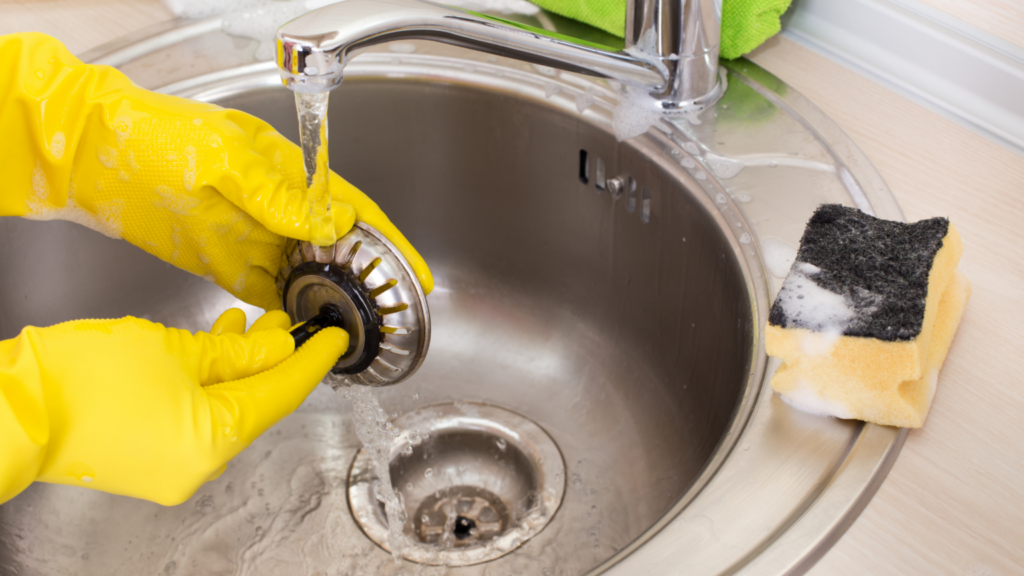
Sometimes the biggest cleaning mistake isn’t forgetting to wipe the counter, it’s using tools that don’t clean themselves.
A sponge that’s been sitting beside the sink for days or a dishcloth that’s already been used around the kitchen can spread grease and food residue instead of removing it. It’s also easy to miss the edges of the countertop, the seams around the sink, and the corners where crumbs quietly collect.
Using a clean microfiber cloth makes a noticeable difference, especially when paired with a gentle cleaner that’s appropriate for your countertop material. For sinks and many hard kitchen surfaces, products like Bon Ami help lift stubborn residue without scratching the finish. It’s one of the trusted products Vella’s professional cleaners use to achieve a thorough clean while helping protect your home’s surfaces.
What Science Says About Kitchen Surface Hygiene
Food safety experts agree that a kitchen doesn’t have to look dirty to carry foodborne bacteria. The biggest concern isn’t everyday household bacteria, but the transfer of harmful germs during food preparation. Here are a few facts that may surprise you:
- Food can carry harmful germs. Raw meat, poultry, seafood, eggs, and unwashed produce can contain germs such as Salmonella, E. coli, and norovirus. If these germs spread to kitchen surfaces during food preparation, they can increase the risk of foodborne illness.
- Cross-contamination causes more problems than dirty countertops. Harmful bacteria often spread when the same cutting board, knife, or countertop is used for both raw and ready-to-eat foods without proper cleaning in between.
- Your hands are one of the biggest carriers of kitchen germs. The CDC recommends washing your hands with soap and water before, during, and after preparing food because germs can easily move from your hands to countertops, utensils, and food.
- Raw chicken shouldn’t be washed in the sink. Rinsing raw poultry can splash bacteria onto nearby countertops, sinks, utensils, and other kitchen surfaces, increasing the risk of cross-contamination.
- Food packaging can transfer bacteria, too. Leaking meat packages and reusable grocery bags can contaminate countertops if they aren’t handled carefully or cleaned regularly.
Consistent kitchen hygiene isn’t about creating a sterile environment, it’s about minimizing the risk of cross-contamination and maintaining a cleaner, healthier space for preparing meals.
Everyday Tips for a Cleaner Kitchen Counter
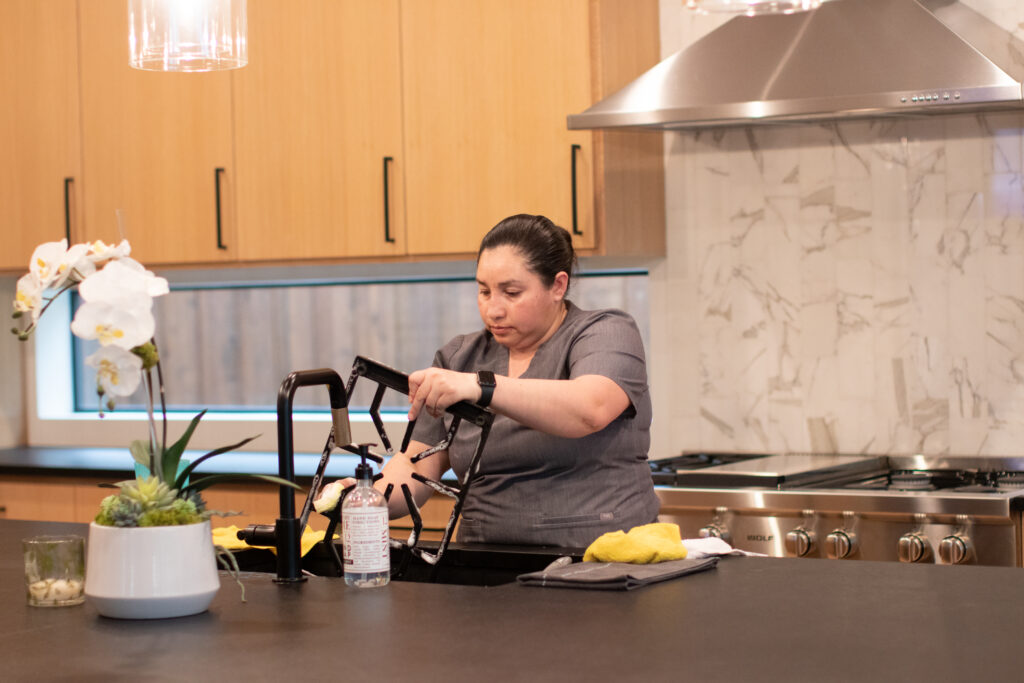
Keeping your kitchen countertop clean doesn’t have to be complicated. A few simple habits can help prevent grease, food residue, and bacteria from building up throughout the day.
- Wipe countertops after every meal or food prep. Cleaning spills and crumbs right away prevents residue from hardening and makes everyday maintenance much easier.
- Use separate cutting boards for raw meat and fresh produce. This helps reduce the risk of cross-contamination while preparing meals.
- Replace or sanitize your sponge regularly. A dirty sponge can spread bacteria instead of removing it. Consider disinfecting it frequently or replacing it every week or two, depending on use.
- Clean from the cleanest area to the dirtiest. Start with countertops and dining surfaces before moving to the sink or stovetop to avoid spreading grease and grime.
- Don’t forget high-touch surfaces. Wipe cabinet handles, faucet handles, appliance buttons, light switches, and refrigerator handles at least once a week.
- Choose gentle but effective cleaning products. Vella’s professional cleaners often use Seventh Generation Dish Soap because its grease-cutting formula works well on sinks, countertops, and many other hard kitchen surfaces without relying on harsh chemicals.
- Finish with a clean microfiber cloth. Microfiber traps dirt and residue more effectively than many traditional cloths, helping leave surfaces clean and streak-free.
Small, consistent habits like these can make a noticeable difference. Instead of waiting for your kitchen to look dirty, a few minutes of daily maintenance helps keep countertops cleaner, reduces buildup, and makes deeper cleaning much less of a chore.
Cleaning Different Countertop Materials
Not every countertop should be cleaned the same way. The right cleaning product depends on the material, and using the wrong one can damage the finish over time.
| Countertop | Best Cleaning Method |
| Quartz | Mild dish soap + microfiber |
| Granite | pH-neutral cleaner |
| Marble | Avoid acidic cleaners |
| Laminate | Warm water + dish soap |
| Butcher Block | Mild soap + dry immediately |
| Stainless Steel | Microfiber with the grain |
Frequently Asked Questions
Can kitchen countertops have bacteria even if they look clean?
Yes. Food residue, grease, allergens, and bacteria aren’t always visible. Regular cleaning helps remove buildup before it accumulates, even when countertops appear spotless.
What’s the best way to clean kitchen countertops?
Use a clean microfiber cloth with a gentle cleaner that’s suitable for your countertop material. Wipe surfaces after preparing food and don’t forget nearby high-touch areas like faucet handles and cabinet pulls.
How often should kitchen countertops be cleaned?
Kitchen countertops should be wiped after food preparation and cleaned thoroughly every day. High-touch surfaces should be cleaned weekly, while a deeper kitchen clean every few months helps tackle areas that aren’t part of your regular routine.
What kitchen surfaces are most often overlooked?
Cabinet handles, appliance handles, light switches, coffee maker buttons, backsplashes, and the spaces around small appliances are commonly missed during everyday cleaning but can collect plenty of everyday buildup.
When should I hire professional kitchen cleaning services?
If grease, sticky residue, or hard-to-reach buildup has become difficult to manage, or you simply don’t have time for a thorough kitchen refresh, professional cleaning services can help restore your kitchen and keep it looking its best.
A Cleaner Kitchen Starts with Consistency
A spotless kitchen isn’t the result of one marathon cleaning session. It’s built through small, consistent habits that prevent grease and residue from building up in the first place.
Wiping countertops after cooking, cleaning high-touch surfaces each week, and setting aside time for occasional deep cleaning will keep your kitchen looking its best throughout the year. When your schedule gets busy, bringing in professional cleaners can help you stay ahead of the mess without adding more to your to-do list.
Vella’s professional cleaners use trusted products, detailed cleaning methods, and a careful approach to deliver high-quality results while treating every home with respect. Booking is quick and simple through Vella’s online booking platform, making it easy to enjoy a cleaner kitchen whenever you need it.
Ready for a cleaner kitchen? Book your cleaning online with Vella in just a few clicks.