
Most families don’t think twice about the cleaning products under their sink. But those sprays, scrubs, and disinfectants can carry harsh chemicals, and some aren’t as safe as the label suggests.
More Texas families are starting to ask what’s actually in their cleaning products. Once they do, the switch to non-toxic alternatives makes a lot of sense. Below, Vella walks you through 7 surprising benefits of non-toxic cleaning products and why they’re worth the swap.
1. Safer for Kids and Pets Every Single Day
Kids crawl on floors. Pets lick their paws. Both spend far more time touching surfaces than adults, which makes residue from conventional cleaners a real concern.
Many standard products leave chemical traces on surfaces long after you’ve wiped them down. Non-toxic formulas reduce that risk significantly. Safe cleaning products for kids should be the baseline in every family home.
2. Better Air Quality Inside Your Home
Every time you use a conventional spray, it releases volatile organic compounds (VOCs) into the air. In a closed Texas home during summer, those compounds build up fast. The American Lung Association warns that many household cleaners contribute to poor indoor air quality and can trigger respiratory issues.
Non-toxic cleaners skip the VOCs and synthetic fragrances. The result is fresher air you can actually feel.
3. Gentler on Skin for the Whole Family
Harsh chemicals in standard cleaners commonly trigger skin irritation, redness, and contact dermatitis. Non-toxic formulas use plant-based, skin-friendly ingredients that clean without the aggressive chemistry. You get a clean home and skip the dry hands that follow a scrub-down with conventional products.
4. They Actually Work, No Compromises Needed
There’s a common assumption that natural cleaners are weaker. It’s not accurate. Enzyme-based and plant-derived formulas break down grease, grime, and bacteria effectively.
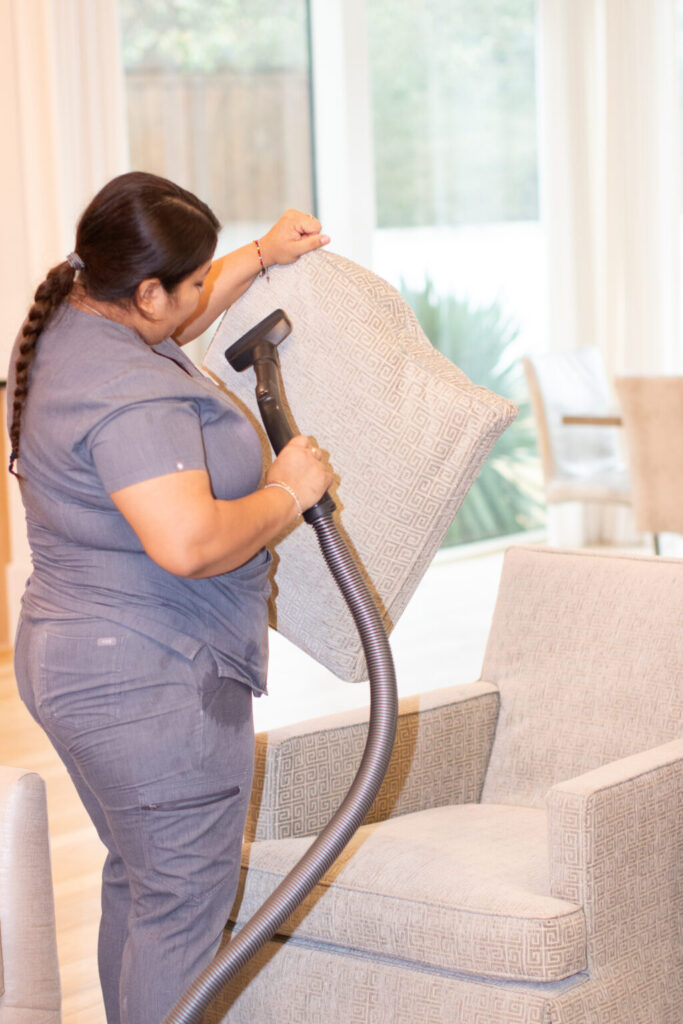
Brands like Branch Basics have proven this in real homes. Vella’s professional housekeepers use non-toxic, eco-friendly products on every clean. A cleaner that’s safe for your family doesn’t have to be a lesser cleaner.
5. Fewer Harmful Chemicals Going Down Your Drains
Every time you rinse a conventional cleaner, those chemicals enter the water system. Biodegradable, eco-friendly solutions break down without leaving toxic residue. Many non-toxic brands also offer refillable options that cut down on plastic waste.
6. A Healthier Long-Term Choice
One clean won’t make or break your health. But repeated exposure to harsh chemicals, week after week, adds up. Some household cleaners contain endocrine-disrupting ingredients linked to hormonal interference. Switching to non-toxic alternatives is a straightforward swap that builds peace of mind over time.
7. Easier to Make the Switch Than You Think
You don’t need to throw everything out at once. Phase out old products room by room as they run out. Start with the kitchen, bathrooms, and floors, where exposure is highest, and the swap makes the biggest difference. Vella’s cleaning calendar can help you plan what to tackle and when.
Watch out for ammonia, bleach, phthalates, and synthetic fragrances in bathroom cleaners, multipurpose sprays, and floor products.
Branch Basics, Bon Ami, and Seventh Generation are solid starting points. Vella’s housekeepers use non-toxic products on every cleaning across Texas, so you know they hold up in real homes.
FAQs
Are non-toxic cleaning products as effective as conventional ones?
Yes. Plant-based enzymes and surfactants break down everyday messes without harsh chemistry. Choose products that are formulated well, not just marketed as natural.
Do non-toxic cleaners cost more?
Some cost more upfront, but many come in concentrated or refillable formats that stretch further. Over time, the cost evens out and often tips in favor of the non-toxic option.
Are they safe for babies and toddlers?
Non-toxic formulas matter most for the youngest family members. Look for products that are fragrance-, dye-, and known irritant-free. Third-party certifications such as EPA Safer Choice are reliable indicators.
How do I know if a product is truly non-toxic?
Check for certifications like EPA Safer Choice or EWG Verified. Avoid vague claims like “natural” without transparency into ingredients. A full ingredient list on the label is always a good sign.
Which cities does Vella serve in Texas?
Vella’s professional team brings non-toxic products that tackle even the toughest buildup across various Texas cities, including Dallas, Austin, Plano, Fort Worth, and more. You can look at our locations page for more information.
Book Vella Today
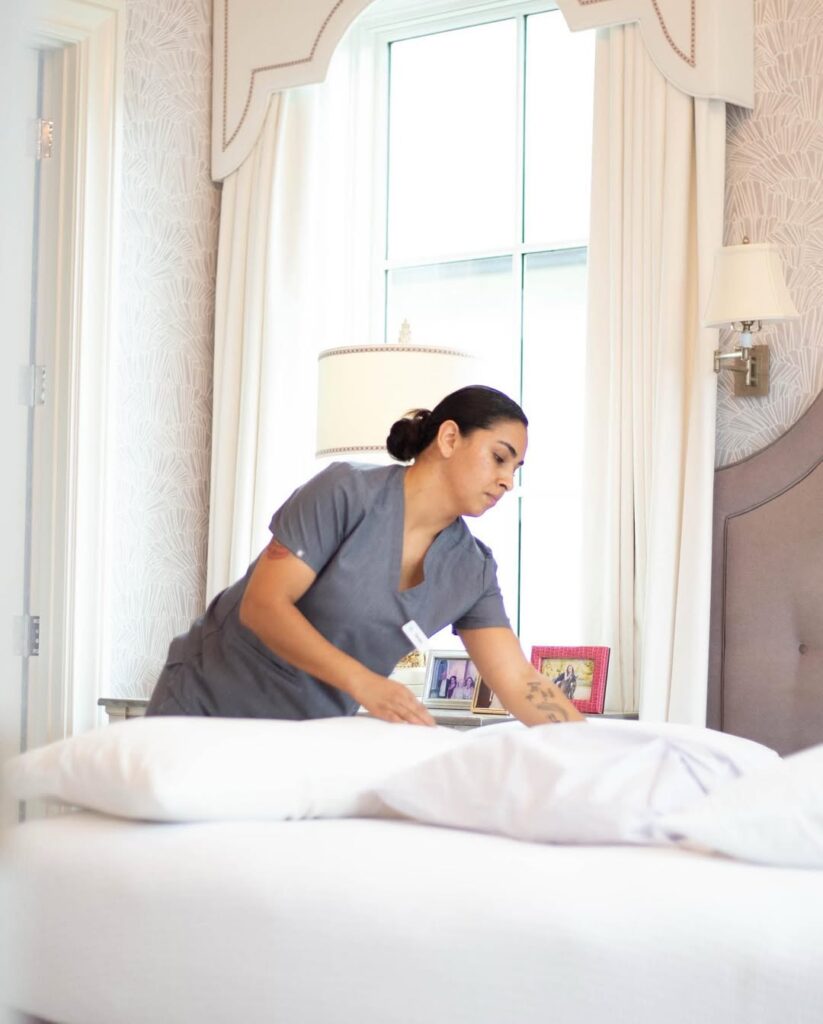
Switching to non-toxic cleaning products is one of the simplest ways to make your home safer, and it doesn’t have to happen overnight. Vella’s professional housekeepers bring this approach to every cleaning in Dallas, Austin, Fort Worth, and the Hill Country.
Book your cleaning directly through Vella’s online.