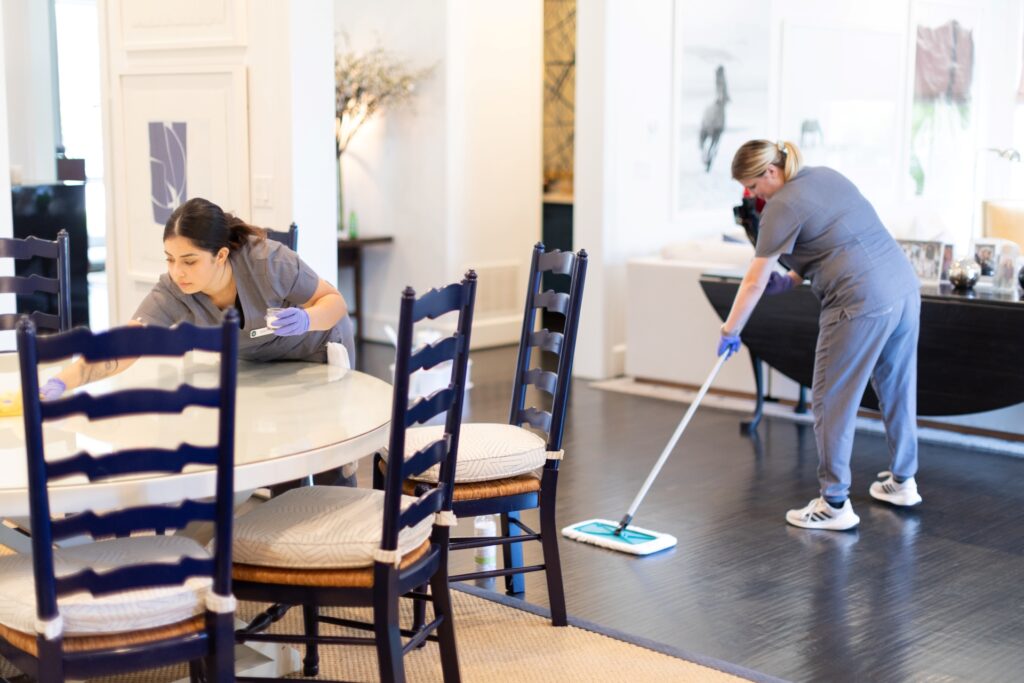
Most Texas homes aren’t dirty. They’re just missing a system. The difference between a home that always feels clean and one that only gets cleaned in a panic isn’t how hard you scrub; it’s how consistently you show up.
A solid weekly cleaning routine removes the guesswork, kills the buildup before it starts, and means you’re never frantically mopping at 10 pm because someone’s coming over tomorrow.
This blog breaks down how to build a cleaning schedule that works for real life, what weekly cleaning should actually cover, how to decide on the right frequency for your household, and how Vella’s recurring cleaning service helps Texas families stay consistently ahead of the mess.
Why a Weekly Cleaning Schedule Beats Cleaning “When It Needs It”
Reactive cleaning is exhausting. You ignore the bathroom until it’s genuinely bad, then spend a Saturday morning deep-scrubbing what could have been a ten-minute wipe-down if you’d done it last week. Multiply that across the whole house, and you’re looking at hours of effort that a simple cleaning schedule would have distributed painlessly across the week.
There’s a mental health case, too. Studies consistently link cluttered, dirty living environments to elevated stress and reduced focus. A regular cleaning routine removes the low-grade background noise of a home that always needs attention. When your space is consistently maintained, you stop seeing the mess because there isn’t one.
What a Weekly Cleaning Should Actually Cover
A weekly cleaning isn’t a deep clean. It’s a structured reset of the areas that accumulate the most visible dirt and bacteria in any given seven days. Here’s what it should cover:
- Kitchen: Wipe down countertops, stovetop, and appliance exteriors. Sanitize the sink and faucet. Empty and recycle the trash. Sweep and mop floors.
- Bathrooms: Scrub the toilet, sink, and shower or tub. Wipe mirrors streak-free. Replace used towels with fresh ones. Restock soap and toilet paper.
- Bedrooms: Strip and wash bed linens. Dust surfaces, nightstands, and light fixtures. Vacuum floors and under the bed.
- Living Areas: Dust furniture and shelves. Vacuum rugs and upholstery. Wipe high-touch surfaces, such as remotes, light switches, and door handles.
- Entryways and Hallways: Sweep or vacuum. Wipe down any smudges on doors and walls.
What’s not on this list: ceiling fans, inside appliances, baseboards, grout lines. These belong in your monthly or deep clean rotation. Trying to do everything every week is how systems collapse. Keep the weekly list focused and repeatable.

How to Build a Cleaning Schedule Around Your Real Life
The most effective cleaning schedule is one you’ll actually follow. Trying to do the whole house in one go works for some people, but for most, spreading tasks across the week is more sustainable.
A simple one-room-per-day structure might look like:
- Monday vacuuming
- Tuesday bathrooms
- Wednesday kitchen
- Thursday laundry and linens
- Friday surfaces and entryways
That’s roughly 20–30 minutes a day instead of three hours on Saturday.
Your household will also shape what “weekly” really means. Pets, kids, frequent cooking, and working from home all create more mess more frequently.
Texas homes face the added layer of pollen season in spring, and outdoor living year-round, both of which track more debris inside than the average household expects. If your cleaning schedule isn’t accounting for your actual lifestyle, it won’t stick.
Weekly, Bi-Weekly, or Monthly: Which Is Right for You?
Weekly cleaning makes the most sense for larger households with kids or pets, homes with allergy or asthma concerns, people who work from home full-time, and anyone who entertains regularly.
Bi-weekly (every two weeks) works well for one-to-two person households with lower foot traffic, especially when light daily maintenance fills in between visits. Most Texas families find this to be the sweet spot. It is consistent enough to prevent buildup and manageable in both cost and time.
Monthly cleaning is a reasonable fit if you travel frequently, live alone in a smaller space, or are maintaining a home that’s already in good shape after a recent deep clean.
But most people build a great cleaning schedule, follow it for a few weeks, and then life gets in the way. Busy stretches, travel, kids’ schedules; it happens. That’s exactly where a professional recurring cleaning service earns its keep.
How Vella’s Recurring Cleaning Works in Texas
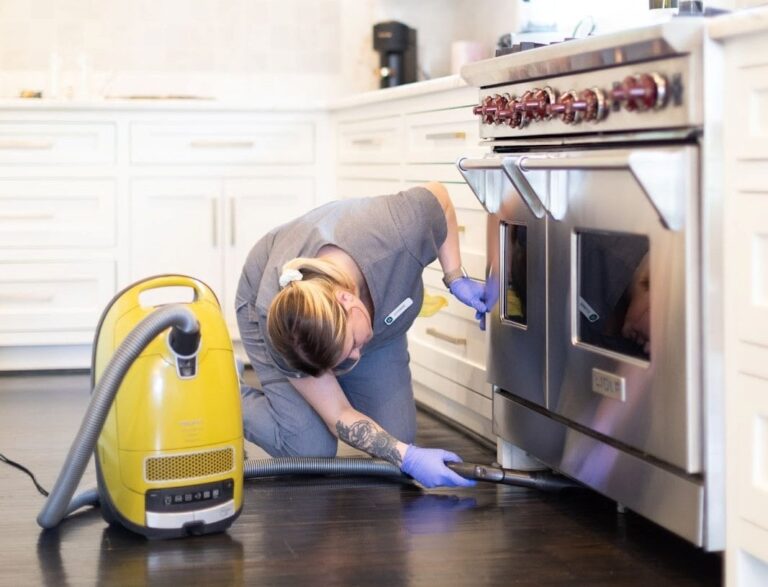
Vella’s weekly cleaning and recurring cleaning services are built to fit your actual schedule, not a rigid template. Whether you need weekly visits for a busy family home or bi-weekly maintenance for a smaller household, we work around your calendar and your priorities.
Every clean uses non-toxic, eco-friendly products from Bon Ami and Branch Basics; safe for kids, pets, and allergy-sensitive guests. Our cleaners are background-checked and trained to a consistent standard, so your home gets the same quality of clean every single visit, not just the first one.
We serve Dallas, Austin, Fort Worth, Plano, and surrounding Texas communities. Getting started is simple: take Vella’s Clean Quiz to identify exactly what your home needs, book online, and set your recurring schedule. No long-term contracts, no guesswork.
Keep Your Texas Home Consistently Clean With Vella
A cleaning schedule works best when you don’t have to think about it. Vella’s recurring cleaning service takes the system off your plate entirely, so your home stays clean without the planning, the reminders, or the catch-up sessions. Book your first clean online, set your schedule, and let us handle the rest.
Ready to take weekly cleaning off your plate? Book your first Vella clean today.
Frequently Asked Questions
How often should I have my home professionally cleaned?
Most households benefit from bi-weekly service. Homes with kids, pets, or high traffic often do better with weekly visits.
What’s included in a weekly house cleaning service?
A standard weekly clean covers kitchens, bathrooms, bedrooms, living areas, and entryways, including dusting, vacuuming, mopping, and sanitizing high-touch surfaces.
Is weekly cleaning worth it?
For most busy households, yes. The time saved, the consistency gained, and the reduced need for expensive deep cleans make recurring service a cost-effective choice over time.
Can I customize what gets cleaned each visit?
Yes. Vella tailors each cleaning to your home’s specific needs. If there are rooms you want prioritized or tasks you want added, that’s part of how we set up your recurring plan.